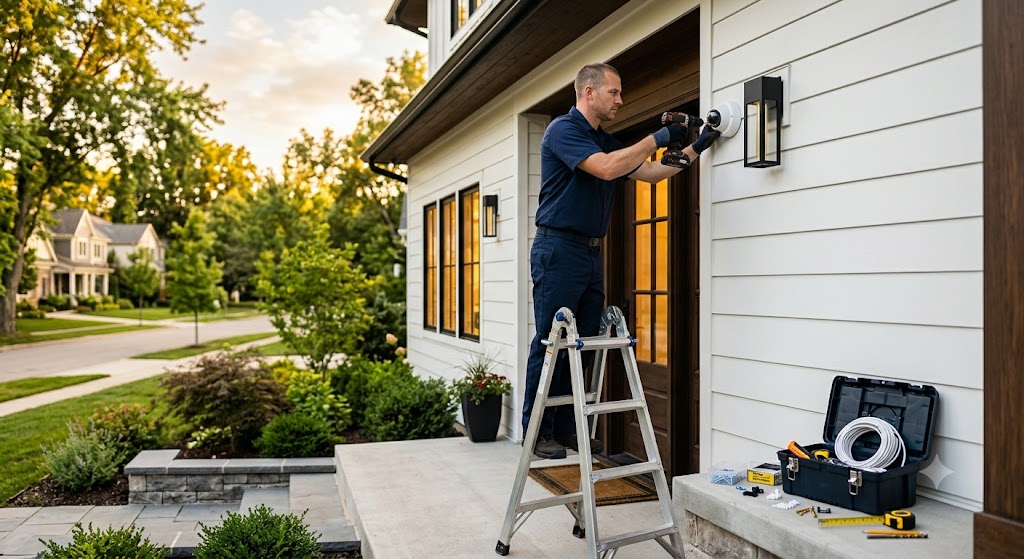
The short answer: choose Vivint if you want the strongest smart-home experience — locks, garage, thermostat, cameras and alarm in one polished app. Choose ADT if you want the longest track record in the industry and the reassurance of the biggest professional monitoring network in the US. Both are professionally installed, professionally monitored systems — the real differences are the contract structure, the app, and what you pay over three years.
ADT vs. Vivint: the core differences
- Pedigree: ADT has been monitoring homes for over 145 years and operates the largest network of monitoring centers in the country. Vivint is the younger smart-home specialist that built its system around automation from day one.
- Contracts: ADT typically runs a 36-month monitoring agreement. Vivint skips the monitoring contract if you pay for equipment upfront — otherwise the equipment financing term (up to 60 months) plays the same role. Neither is "no strings"; they're different strings.
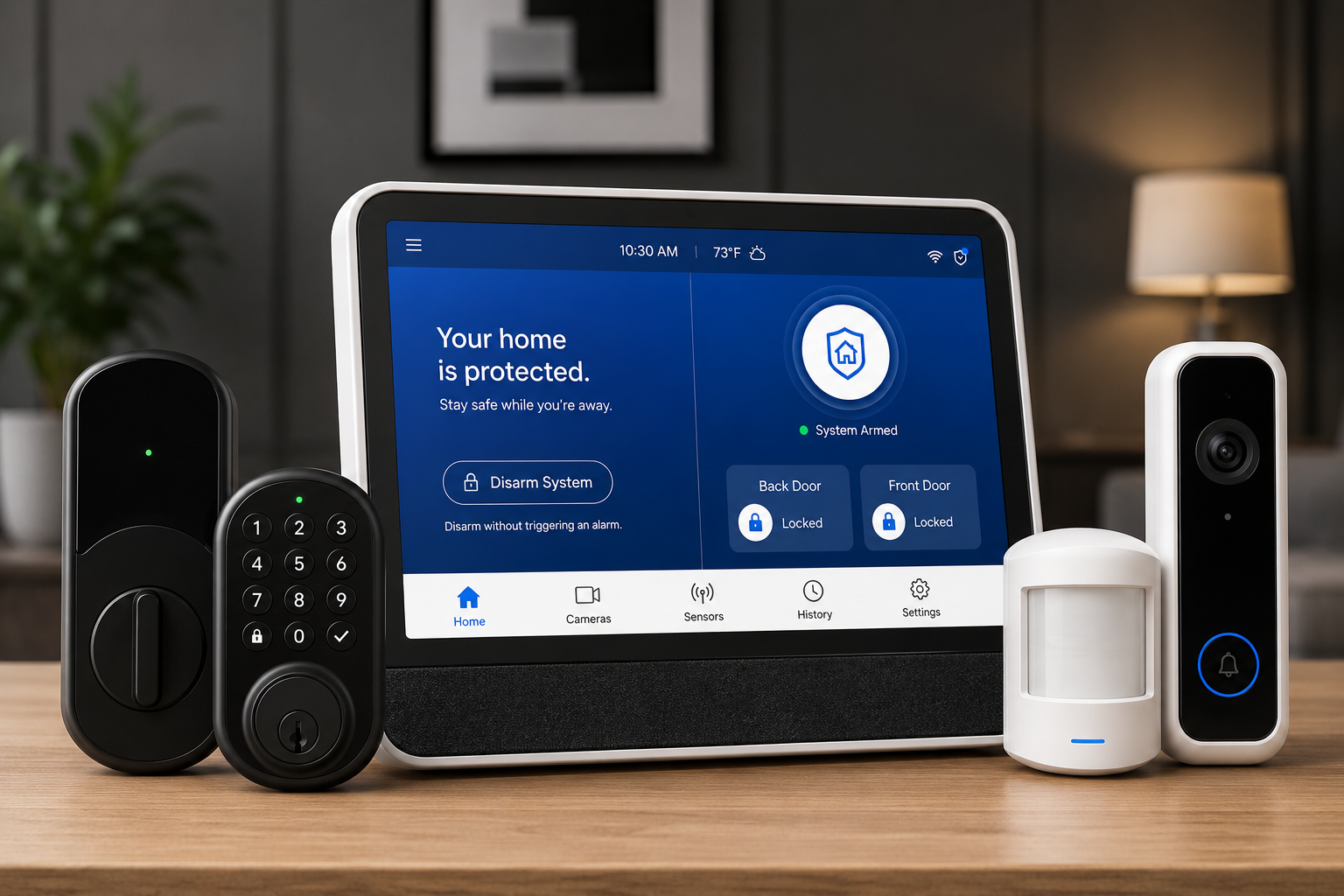
- Equipment approach: Vivint's hardware is all its own ecosystem, tightly integrated. ADT's lineup mixes its own equipment with Google Nest devices.
- Cost shape: expect roughly $30–$50/month monitoring at Vivint and about $25–$60/month at ADT depending on tier, with equipment either financed (Vivint) or bundled into packages (ADT). As always, confirm current pricing with each provider — offers change often.
Smart home: Vivint's home turf
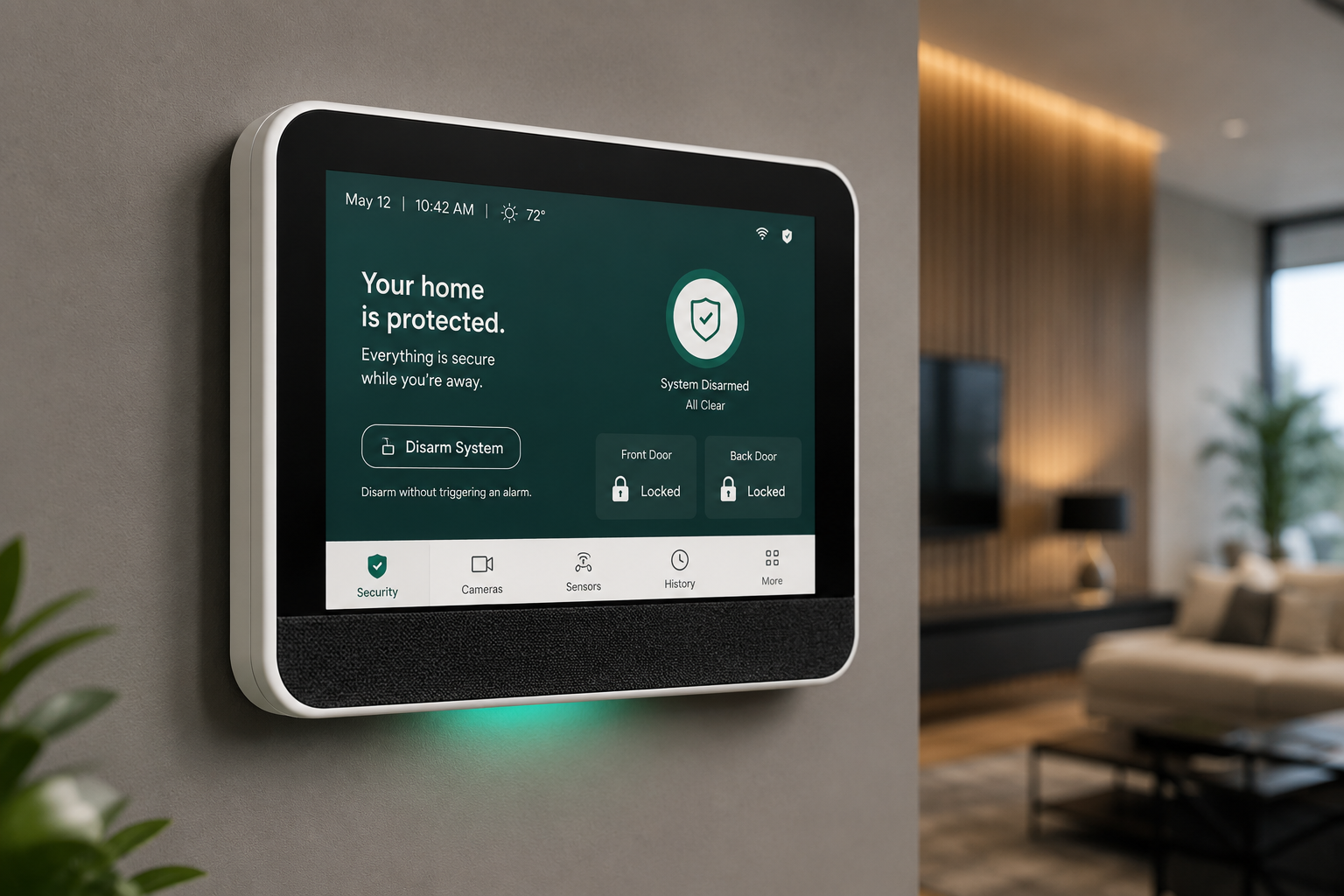
Vivint's app controls the alarm, cameras, locks, lights, garage door and thermostat in one place, and owner reviews consistently rate it among the best apps in the industry. ADT's Nest integration has closed much of the gap — especially if you already own Google devices — but if the smart-home experience is the reason you're buying, Vivint is the safer pick.
Monitoring and response: ADT's home turf
Both offer 24/7 professional monitoring with cellular backup. ADT's scale is the differentiator: multiple redundant monitoring centers mean a backup answers if one goes down. Vivint's monitoring is well-reviewed, but ADT's infrastructure is the industry benchmark — it's what you're paying the brand premium for.
The three-year math
Compare totals, not monthly rates: a mid-tier Vivint setup (about $1,200 equipment plus ~$40/month) lands near $2,640 over three years. A comparable ADT package at ~$50/month with bundled equipment lands in the same neighborhood — which is exactly why the decision should ride on app, ecosystem and contract flexibility rather than price alone. Run your own numbers in our cost calculator.
Who should choose which
- Choose Vivint for the smart-home app, slicker hardware, and no monitoring contract when equipment is paid upfront. Full breakdown in our Vivint review.
- Choose ADT for maximum monitoring redundancy, the Nest ecosystem, and the longest warranty of brand reputation in the business. Details in our ADT review.
- Not sure you want professional install at all? Compare the DIY route in our wireless systems ranking — it can cost half as much over three years.