

The short answer
The single most important fix is to disable or shield the emergency-release lever so it can't be tripped from outside, then treat the garage's side door and the interior door into your house as seriously as your front door. Those three things close off the ways burglars actually get in through a garage.
Below are nine practical steps, ordered roughly from free-and-two-minutes to worth-a-small-investment. You can do most of them yourself this weekend.
Why garages are a weak point
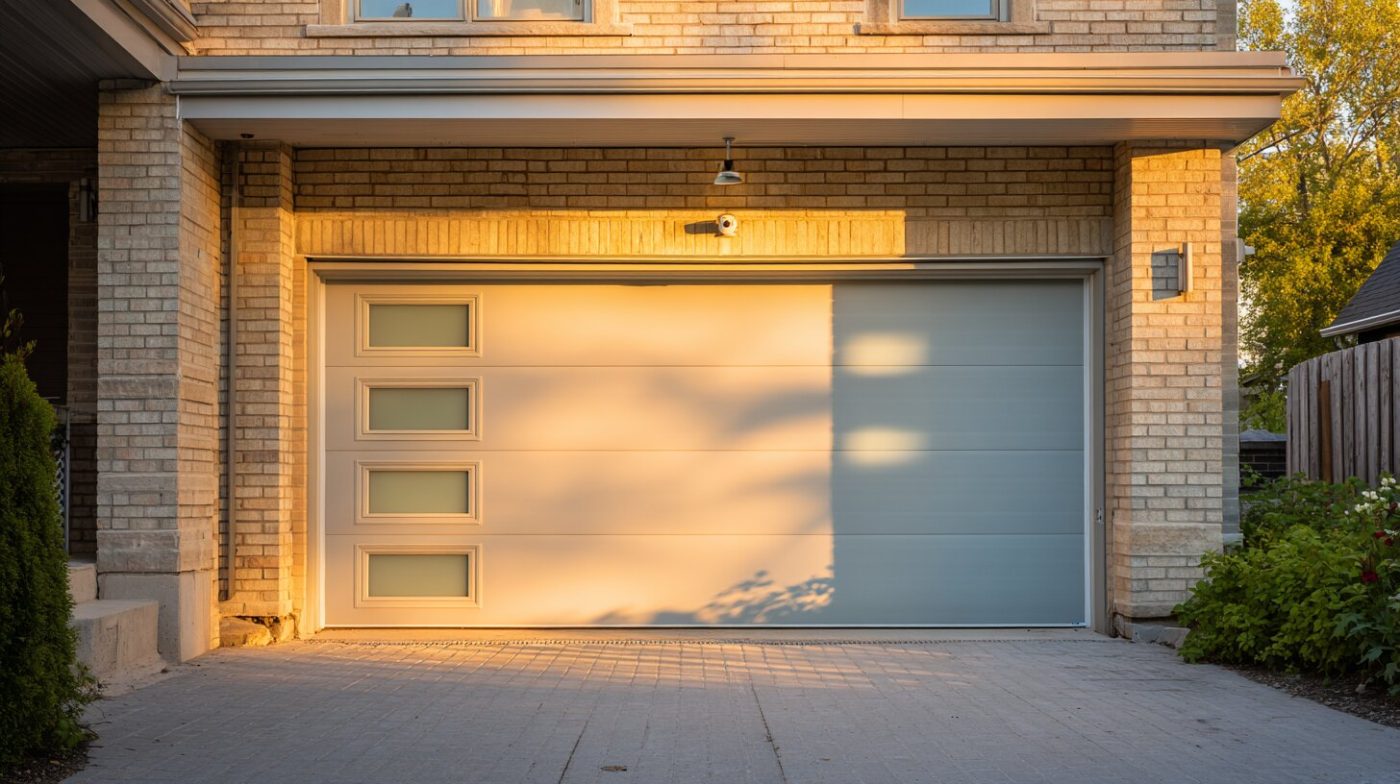
Garages get overlooked because people think of the big door as a solid barrier. In practice it's often the easiest way in: the emergency-release cord can be exploited from outside in seconds, the service side door is frequently a hollow-core door with a basic lock, remotes get left in cars, and the interior door connecting the garage to the house is often left unlocked entirely.
And once someone is inside the garage, they're out of sight of the street - free to work on that interior door with no one watching. That's what makes the garage worth securing properly rather than assuming the door alone does the job.
Not sure which system you need?
Answer a few quick questions and we'll match you with a top-rated provider for a free, no-obligation quote — or compare our top picks yourself.
1. Shield or secure the emergency-release lever
Every automatic garage door has a red emergency-release cord that disengages the opener so you can lift the door by hand during a power cut. The well-known vulnerability: someone can slip a coat hanger or thin rod through the top gap of the door, hook that cord, pull the release, and then lift the door open.
Two easy fixes: fit an emergency-release shield (an inexpensive plastic guard that blocks access to the lever), or zip-tie the release lever so a quick tug won't disengage it. A single zip tie still snaps easily with a hard pull from inside if you ever genuinely need the manual release, but it defeats the hanger trick. If your door has windows near the top, this fix matters even more.
2. Add a manual lock for when you're away
Most modern openers hold the door down reasonably well, but for extended absences a physical lock removes all doubt. Options range from a garage door slide lock or deadbolt that pins the door to its track, to smart openers with a dedicated "vacation" or lock mode that electronically disables remote operation.
If you travel often, engaging a manual lock while you're gone is one of the highest-value habits you can build - a door that physically cannot be lifted is far more reassuring than one that merely should stay down.
3. Reinforce the service (side) door
The walk-in side door is often the real weak link - frequently a lightweight door with a builder-grade knob lock and no deadbolt. Treat it exactly like an exterior entry door, because that's what it is.
- Add a deadbolt if there isn't one.
- Fit a reinforced strike plate with long (3-inch) screws into the frame stud, so the door can't be kicked in.
- If it's hollow-core, consider replacing it with a solid-core or steel door.
- Put a contact sensor on it (see step 7).
4. Cover or frost the garage windows
Windows on or beside the garage door let a would-be intruder see whether a car is inside, whether the release cord is reachable, and what's worth taking. Frost the glass, add film, or fit blinds so no one can case the garage from the driveway. It's a cheap change that removes a lot of useful information from anyone scoping the house.
5. Stop leaving the remote in your car
A garage remote clipped to the visor is a spare key to your house sitting in a vehicle that's often parked outside. If the car is broken into - or taken - the thief has one-button access to your garage and, usually, the house beyond it.
Use a keychain remote you carry with you, or better, a smartphone-app opener so there's no physical remote to steal at all. If you must keep a remote in the car, don't also keep documents showing your home address in the same vehicle.
6. Upgrade to a smart opener with alerts
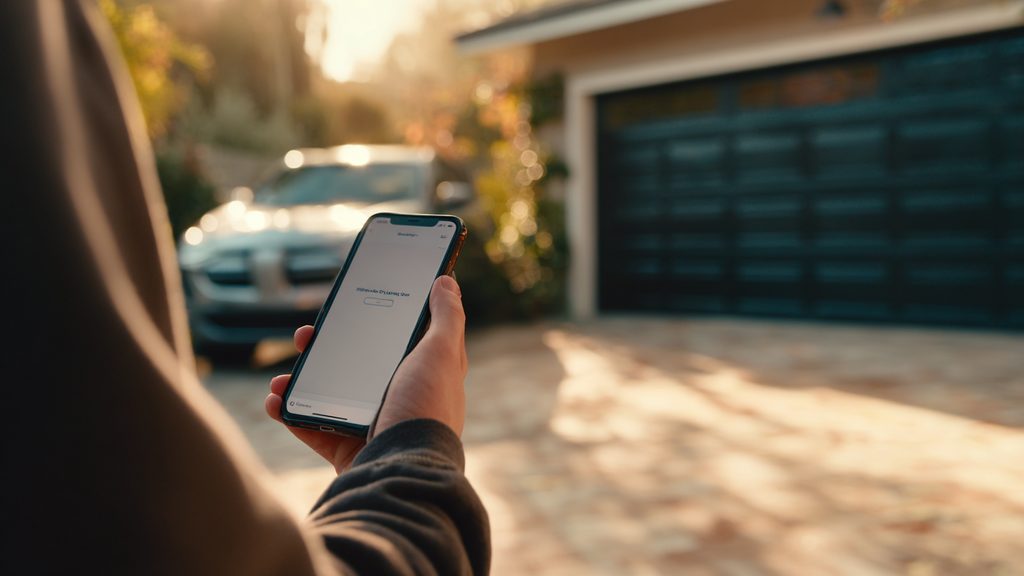
A Wi-Fi smart opener (or an add-on controller for your existing opener) does two useful things: it alerts you when the door opens and lets you close it remotely if you left it up. "Left the garage open" is one of the most common ways homes are accidentally left exposed, and this fixes it directly.
Many also log activity, so you can see exactly when the door was operated - useful peace of mind and useful evidence.
7. Add the garage to your alarm system
A standalone garage is only as good as the moment you happen to check it. Tying it into a monitored system means the garage triggers the same alarm and dispatch as the rest of the house. Two sensor types matter here:
- A tilt/contact sensor on the garage door itself, so the system knows if the big door opens.
- A contact sensor on the service side door, and ideally a motion sensor inside the garage.
Most major systems support garage sensors - see how the leading options compare in our best home security systems rankings, and our 2026 cost guide for what monitoring runs.
8. Add motion lighting and a camera
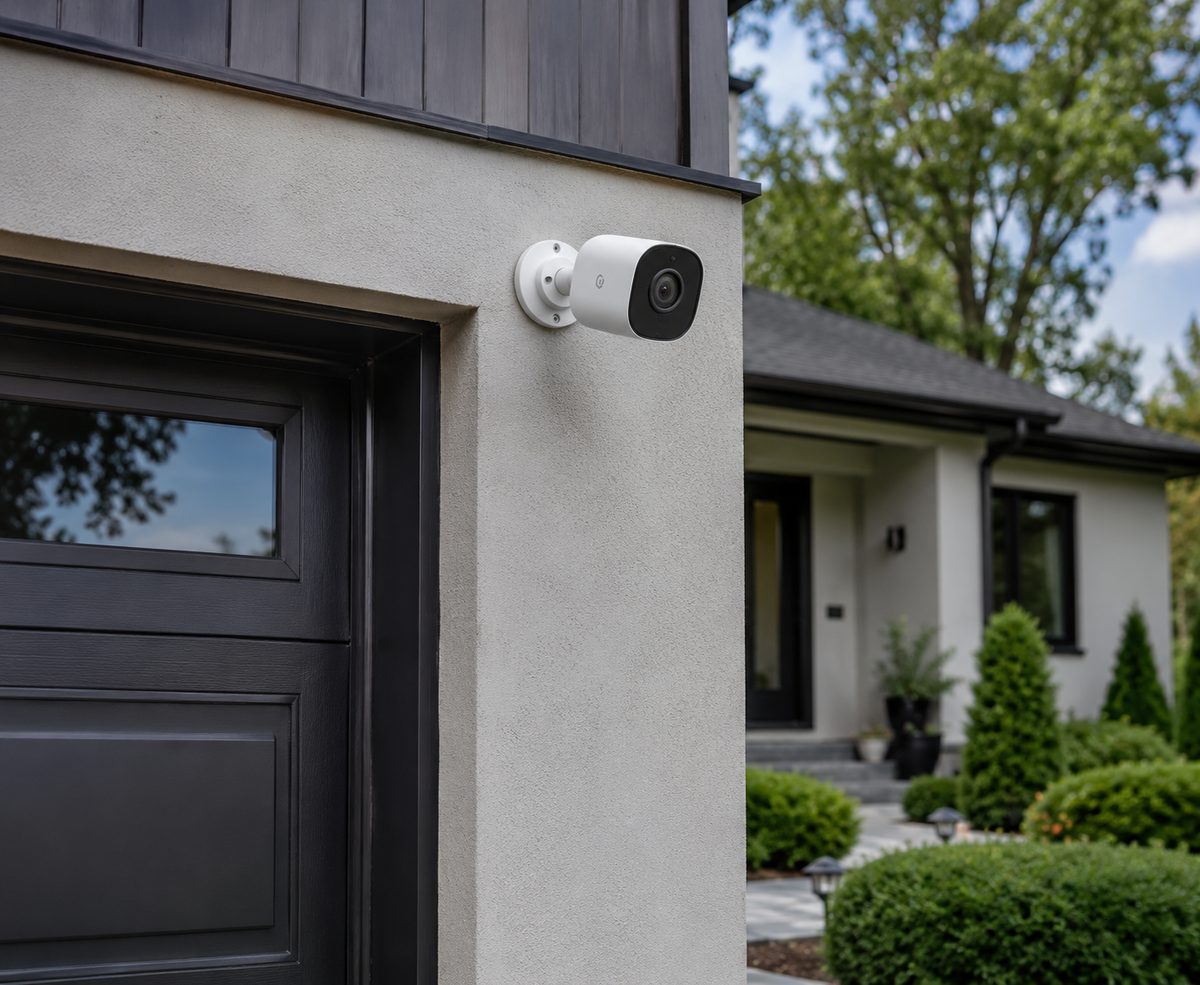
Burglars prefer the dark and the unseen. A motion-activated light over the garage and side door removes the cover of darkness, and a camera covering the driveway and garage approach both deters and documents. Position matters more than camera count - our guide to the best places to put security cameras covers exactly where a garage camera earns its keep.
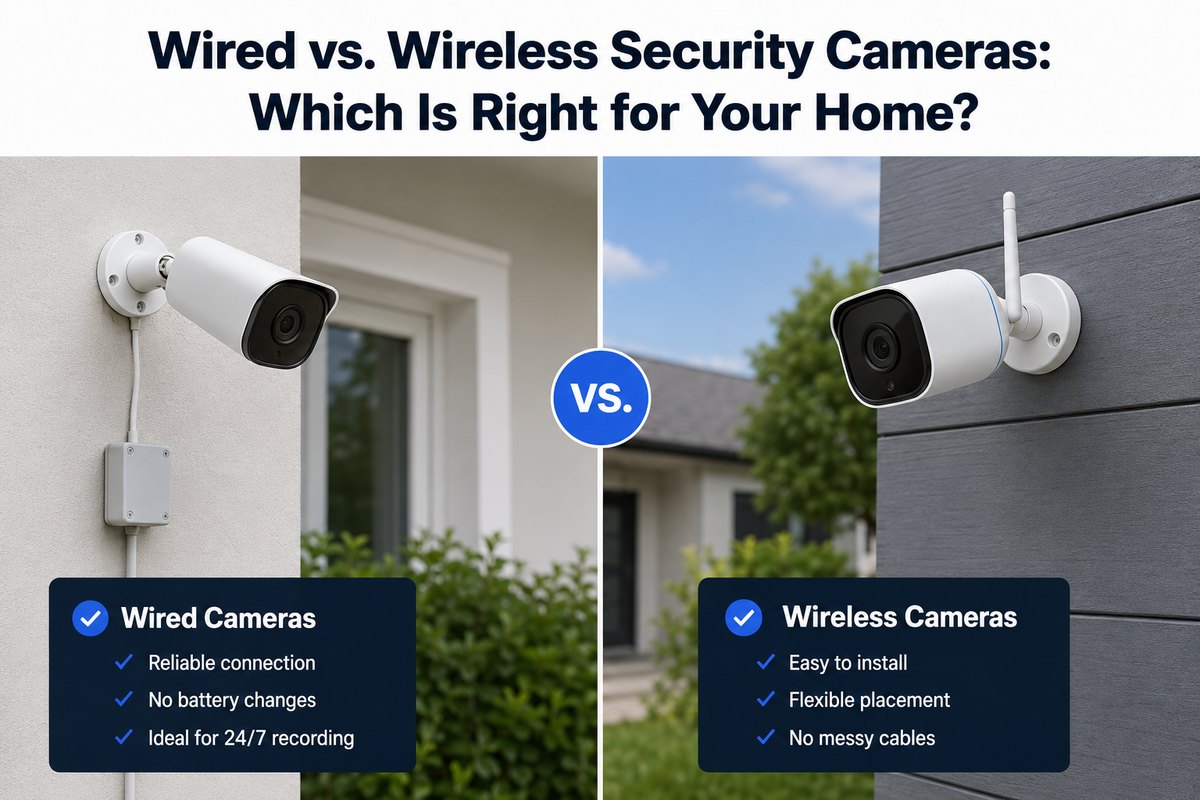
If you're weighing wired versus battery cameras for an exterior spot like this, our wired vs. wireless cameras comparison lays out the trade-offs.
9. Lock the interior door like a front door
This is the one people skip: the door from the garage into the house is an exterior door in disguise, and it's the last barrier if someone gets into the garage. Give it a solid-core door, a deadbolt, and a contact sensor, and get in the habit of locking it - especially at night and when you're away. If every other step fails, a properly locked interior door still keeps an intruder out of your home.
Where to start if you only do three things
If the full list feels like a lot, do these three first - they close off the most-used garage entry paths for very little money:
- Shield or zip-tie the emergency-release lever (step 1) - free, two minutes, defeats the most common trick.
- Deadbolt and lock the interior door (step 9) - your last line of defense.
- Add contact sensors to the garage door and side door (step 7) so a monitored system actually knows.
From there, layer in lighting, a camera and a smart opener as budget allows. Want a system that covers the garage and the rest of the house together? Get matched free with a top-rated provider, or compare the field in our 2026 rankings.
Garage door security FAQs
How do burglars get in through a garage door?
The most common methods are the emergency-release "coat hanger" trick (hooking the red release cord through the top gap of the door), forcing the lightweight service side door, using a remote stolen from a parked car, or simply walking in when the door was left open. Securing the release lever, the side door and the interior door closes off most of these.
What is the emergency-release trick and how do I stop it?
Every automatic door has a manual release cord for power outages. An intruder can slip a rod through the top gap, catch the cord and disengage the opener, then lift the door. Fit an inexpensive emergency-release shield or zip-tie the lever - both block the trick while still allowing genuine manual release with a firm pull from inside.
Should the door from my garage to the house have a deadbolt?
Yes. That interior door is effectively an exterior door and is your last barrier if someone breaches the garage. Use a solid-core door with a deadbolt, add a contact sensor, and keep it locked - especially overnight and while you're away.
Can I add my garage to an existing home security system?
Almost always. Most systems support a tilt or contact sensor on the garage door plus a contact sensor on the side door and a motion sensor inside. That way the garage triggers the same alarm and professional dispatch as the rest of your home.
Is it safe to leave a garage remote in the car?
It's risky - a remote in a parked car is a one-button key to your home if the vehicle is broken into. Use a keychain remote you carry, or a smartphone-app opener so there's no physical remote to steal.
This guide is general home-security advice. Specific products and features change - verify current options before you buy.