
The short answer
Choosing a home security company comes down to five things: proper licensing and monitoring, honest contract terms, fair monthly pricing, a solid reputation, and equipment you actually own. Get those right and the brand name barely matters. Below we walk through exactly what to look for, how local companies compare to the big national names, what it should really cost per month, the high-pressure sales tactics to walk away from, and the questions to ask before you sign anything.
Not sure where to start? You don't have to figure it out alone - get a free, no-obligation assessment or call a security specialist at (888) 207-7106 and we'll match you with a vetted, licensed company that fits your home and budget - never a high-pressure sales pitch.
What to look for in a home security company

Before you compare prices, make sure any company you're considering clears these basics. This is the checklist that separates a company worth hiring from one to avoid:
- Licensing. Alarm companies must be licensed in most states. Ask for their license number and verify it with your state licensing board - a reputable company will hand it over without hesitation.
- Professional monitoring. If you want a monitored system, confirm the monitoring is 24/7 and, ideally, from a UL-listed central station with backup facilities. That's what actually gets help dispatched when an alarm trips.
- Reputation. Check the Better Business Bureau rating and independent reviews. A pattern of billing or cancellation complaints is a bright red flag.
- Contract terms in writing. The FTC recommends reviewing the installation price, monthly monitoring fee, contract length, warranty and cancellation terms before you sign. If any of those are vague, slow down.
- Equipment ownership. Ask whether you own the equipment outright or are leasing it. Owned, wireless gear is portable and can't be "bricked" if you cancel - leased gear often can.
- Background-checked technicians. Ask whether the company runs criminal background checks on the people it sends into your home.
We hold every company we recommend to exactly this standard - independent, licensed, and contract-honest. Want us to check a specific company for you? Ask for a free assessment.
Not sure which system you need?
Answer a few quick questions and we'll match you with a top-rated provider for a free, no-obligation quote — or compare our top picks yourself.
Local vs national home security companies
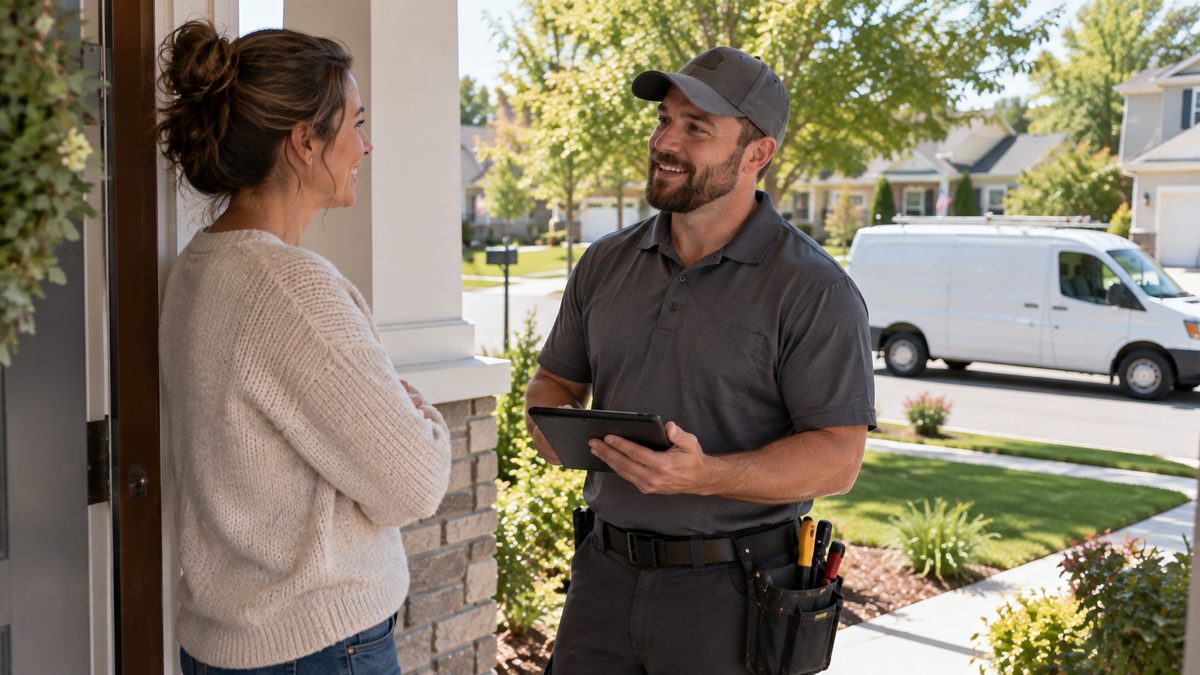
Both can be a good choice - it depends on what you value. Here's the honest trade-off:
- National companies (the big household names) offer brand recognition, large monitoring networks, and slick apps. The downsides are longer contracts, rate increases after year one, and call-center support that doesn't know your home.
- Local home security companies often win on service: a real person who knows your area, faster on-site help, more flexible terms, and pricing that isn't padded with national ad budgets. The trade-off is a smaller footprint and less name recognition.
For many homeowners a well-reviewed, licensed local company delivers better service for less - as long as they use a reputable UL-listed monitoring center behind the scenes (many do). If you'd rather not vet local companies yourself, we'll do it - tell us your zip and we'll match you with a vetted option, or call (888) 207-7106.
DIY vs a professional (installed) home security company
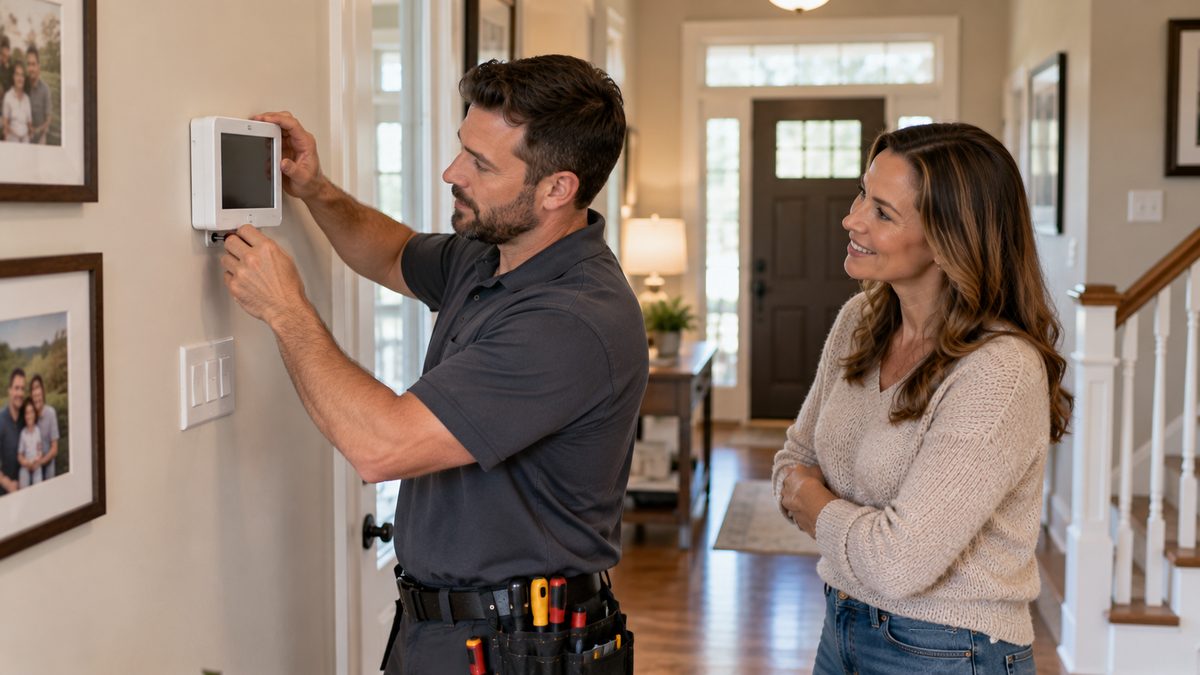
You have three broad paths, and the right one depends on how hands-on you want to be:
- Fully DIY, self-monitored. You buy a wireless kit, install it yourself, and get phone alerts. Lowest cost, no contract - but no one else is watching.
- DIY equipment + professional monitoring. You install it, a monitoring center watches it 24/7, usually month-to-month. The sweet spot for most homeowners.
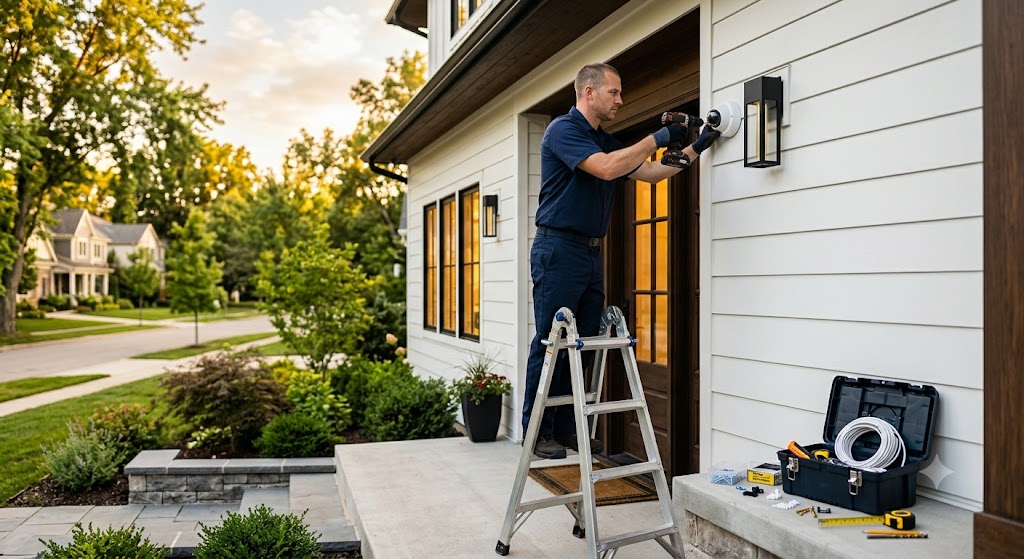
- Full-service company with professional installation. A technician designs the system, handles the burglar alarm installation and wiring, and monitors it. Best if you want a hands-off, custom security system for a larger or more complex home - and the path most people picture when they call a company.
Professional installation is worth paying for when you have a bigger home, want hardwired components, or simply want it done right the first time without touching a drill. If that's you, skip the research rabbit hole - book a free assessment or call (888) 207-7106 and we'll line up a licensed installer.
What home security companies cost
Two numbers matter: the upfront equipment/installation cost and the ongoing monthly fee. Rough 2026 ranges:
- Equipment + installation: anywhere from a couple hundred dollars for a DIY kit to $900+ for a larger professionally installed system.
- Professional monitoring: typically $20-$60 per month for the essentials, more if you add cellular backup, video storage, or smart-home features.
Watch the fine print, because this is where costs hide:
- Long contracts. Some companies lock you into 3-5 years with steep early-termination fees.
- Post-year-one rate hikes. Several big names reserve the right to raise your rate after 12 months - ask for a written rate-lock, or choose a no-contract provider.
- Activation, "free" equipment, and cancellation fees that only surface at signing.
For a full breakdown, see our home security cost guide. Or get a straight, itemized quote with no surprises - request one free or call (888) 207-7106.
Red flags: door-to-door sales and high-pressure tactics
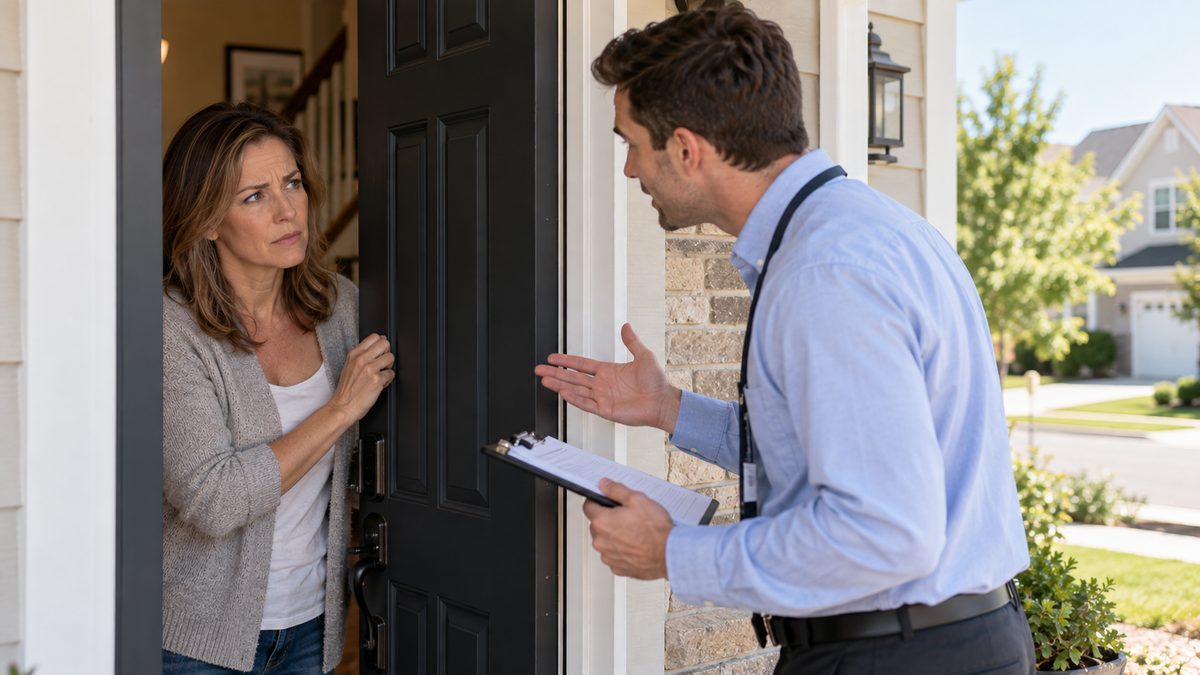
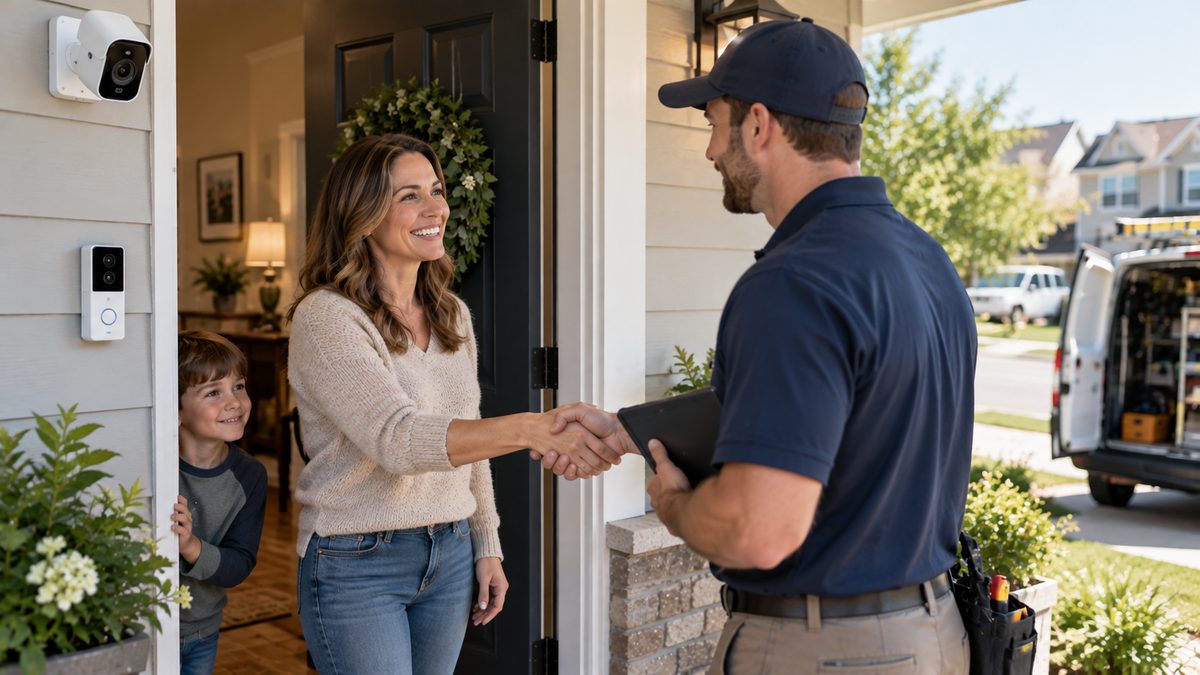
The security industry has a real problem with deceptive door-to-door sales, and knowing the playbook protects you. Walk away - or at least don't sign on the spot - if you see any of these:
- Scare tactics. "There's been a rash of break-ins in your neighborhood" is a scripted line designed to rush you.
- The "free system" pitch. A free system that's only available "if you act right now" almost always means a long, costly monitoring contract.
- Claiming your current provider went out of business or that your equipment is "outdated" and must be replaced today - a common trick to get you to switch and re-sign.
- Refusing to show ID or name their company, or pressuring their way inside. Ask for identification and the company name up front.
- Pressure to sign immediately. A reputable company gives you time to think and will happily make a later appointment.
The safe move: never sign on the doorstep. Verify the company with your state Attorney General, the BBB, and state licensing, then decide on your own timeline. That's exactly the kind of vetting we do for you - start with a free assessment and skip the doorstep pressure entirely.
Questions to ask before you hire - and how to get a quote
Before you sign with any home security company, get clear answers to these:
- Are you licensed in my state, and what's your license number?
- Is monitoring 24/7 and UL-listed? Is there cellular backup if my internet goes down?
- How long is the contract, and what are the cancellation and early-termination terms?
- Can my monthly rate increase - and will you put a rate-lock in writing?
- Do I own the equipment, and does it keep working if I cancel monitoring?
- What's the total first-year cost, all fees included?
If a company dodges any of these, that's your answer. If you'd rather have someone who does this every day ask them for you, that's what we're here for. Take the free 60-second assessment or call a specialist at (888) 207-7106 - we'll match you with a vetted, licensed home security company, get you a no-surprises quote, and never pressure you to sign.
Frequently asked questions
How do I choose a home security company?
Confirm they're licensed in your state, use 24/7 UL-listed monitoring, put all contract and cancellation terms in writing, have a solid BBB record, and let you own your equipment. Compare the total first-year cost - not just the monthly fee - and never sign under doorstep pressure. If you want it done for you, request a free assessment or call (888) 207-7106.
Are local home security companies better than national ones?
Often, yes - for service. Local companies tend to offer faster on-site help, more flexible terms, and pricing without big national ad markups, as long as they use a reputable UL-listed monitoring center. National brands win on name recognition and app polish but usually come with longer contracts and post-year-one rate increases.
How much do home security companies charge per month?
Professional monitoring usually runs about $20-$60 per month for the essentials, more with cellular backup, video storage, or smart-home features. Upfront equipment and installation can range from a couple hundred dollars for a DIY kit to $900 or more for a larger professionally installed system.
Do home security companies require a contract?
Some do - a few lock you into 3-5 years with early-termination fees - but many now offer month-to-month, no-contract monitoring. If you want flexibility, ask for a no-contract plan and a written rate-lock so your price can't jump after the first year.
Do home security companies install the system for you?
Full-service companies do - a technician designs and installs the system, which is ideal for larger or hardwired setups. Many modern companies also offer DIY, wireless equipment with optional professional monitoring, so you can self-install and still be watched 24/7. Both are valid; it depends on how hands-on you want to be.
How do I know if a home security company is legitimate?
Verify their license with your state licensing board, check their Better Business Bureau rating, and confirm they run background checks on technicians. Be wary of unsolicited door-to-door sellers who won't show ID, use scare tactics, or pressure you to sign immediately - reputable companies give you time to decide.
Should I buy a security system at the door from a salesperson?
No - don't sign on the spot. Legitimate offers are still there tomorrow. Take the company's information, verify their licensing and BBB record, compare against a couple of alternatives, and decide on your own timeline. Impulse doorstep contracts are where most home security complaints start.
This guide is general information to help you compare providers. Always confirm licensing, contract and cancellation terms in writing before signing with any company.